
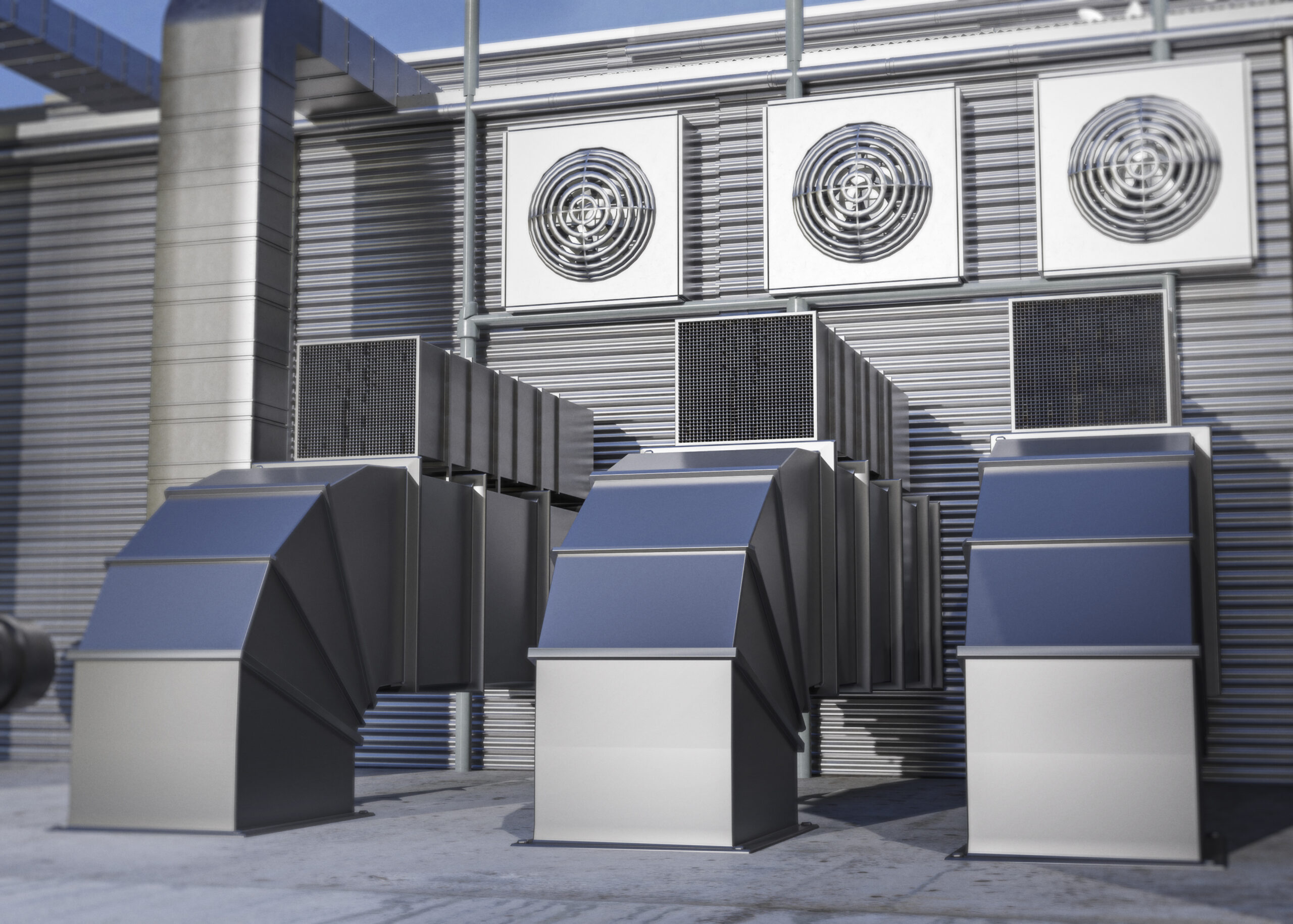
HVAC stands for Heating, Ventilation, and Air Conditioning, sometimes simply referred to as ‘climate control.’ The primary goal of HVAC systems is to regulate environmental conditions inside a home or property. There are various types of HVAC systems, each designed to control a property’s temperature and indoor climate in slightly different ways. Not only do HVAC systems help manage temperature, but they also ensure optimal air quality within your environment.
What exactly is an HVAC system, and how can the range of HVAC system types be beneficial? In this guide, we’ll explain the different HVAC system types and how each works.
The Home HVAC System
An HVAC system can be broken down into three main areas: heating, ventilation, and air conditioning.
Heating
HVAC systems typically include components that heat a property, raising indoor temperatures to provide comfortable living conditions during colder months. Heating is often done through a central heating system. A boiler or heat pump generates heat for the building, and the central heating system pumps water through pipes, releasing it through radiators to warm up rooms.
Alternatively, properties can be heated by distributing warm air to different rooms using a different method. Temperature control is typically managed through the central HVAC console, allowing certain areas to reach specific temperatures.
Ventilation
The ventilation aspect of an HVAC system ensures that fresh air is constantly circulating throughout the building. A control system helps replace indoor air with cleaner outdoor air, expelling the stale air through a ventilation exhaust unit.
Ventilation improves the amount of oxygen inside a building and boosts air quality. The built-in filtration system ensures that harmful particles, fumes, or moisture don’t enter the circulating air, ensuring cleaner air for your indoor environment.
Air Conditioning
Air conditioning plays a crucial role in HVAC systems. A common misconception is that AC systems only cool the air inside a building. In reality, they offer a number of benefits. Not only do they cool the environment to make it more comfortable, but they also help control humidity levels, protecting both people and property.
There are several different air conditioning systems available to suit various needs, depending on your specific requirements.
HVAC System Types
There are many different types of HVAC systems. Depending on your needs, you might find that one system works better than another. It’s important to consider the various types before making a decision.
- Heating and Air Conditioning Split System
This common HVAC system design places different components both inside and outside the property. Typically, the system includes an outdoor air conditioner and an indoor fan/coil unit, along with ductwork to distribute the air throughout the property. Modern split systems are designed to be energy-efficient, incorporating air purifiers and filters to clean the air properly. - Hybrid Split System
Hybrid systems are similar to the heating and air conditioning split systems, but they offer more flexibility. They can switch between gas and electric power as needed, making them highly energy-efficient. The hybrid system uses thermostats and ductwork, allowing for more control over energy conservation and potentially reducing energy bills. - Duct-Free Split System
This system comes with a higher initial cost, but it has many advantages. As a duct-free system, it doesn’t require ductwork, and instead, individual units are placed in each room. This provides greater control over the temperature in each room, which is ideal for larger properties, such as business buildings or hotels. Though installation costs can be high, the energy savings and control may offer long-term benefits. Regular cleaning and maintenance are essential for these systems, as repairs can be expensive.
The Benefits of an HVAC System
All HVAC system types come with several advantages:
- Improved Air Quality
HVAC systems help maintain a constant flow of clean air in a property, improving air quality and ensuring comfortable indoor temperatures. The air filters in these systems play an important role in maintaining a healthy environment. - Energy Efficiency
Upgraded HVAC technologies, such as advanced thermostats, allow you to better control and monitor energy consumption. This helps you avoid wasting energy in rooms that aren’t occupied and ensures more precise and efficient heating and cooling. - Cost Savings
With greater control over when and how you use the system, HVAC systems can help you save money in the long run. While installation costs may be high, the energy savings and long-term benefits typically make the system a good investment. Additionally, an HVAC system could increase the value of your property if it were to be sold.
What to Consider
In the UK, HVAC systems are more commonly used in larger buildings such as business centers and hotels. Due to the integrated nature of heating, ventilation, and air conditioning, installation costs can be high.
Need More Information About HVAC System Types?
We hope this guide has helped you understand the different HVAC system types available. If you have any further questions or need help selecting the best system for your needs, our team of engineers at Advanced Plumbing and Heating is always available to assist you. Feel free to call us at 01246 551 537. for advice or more information.