
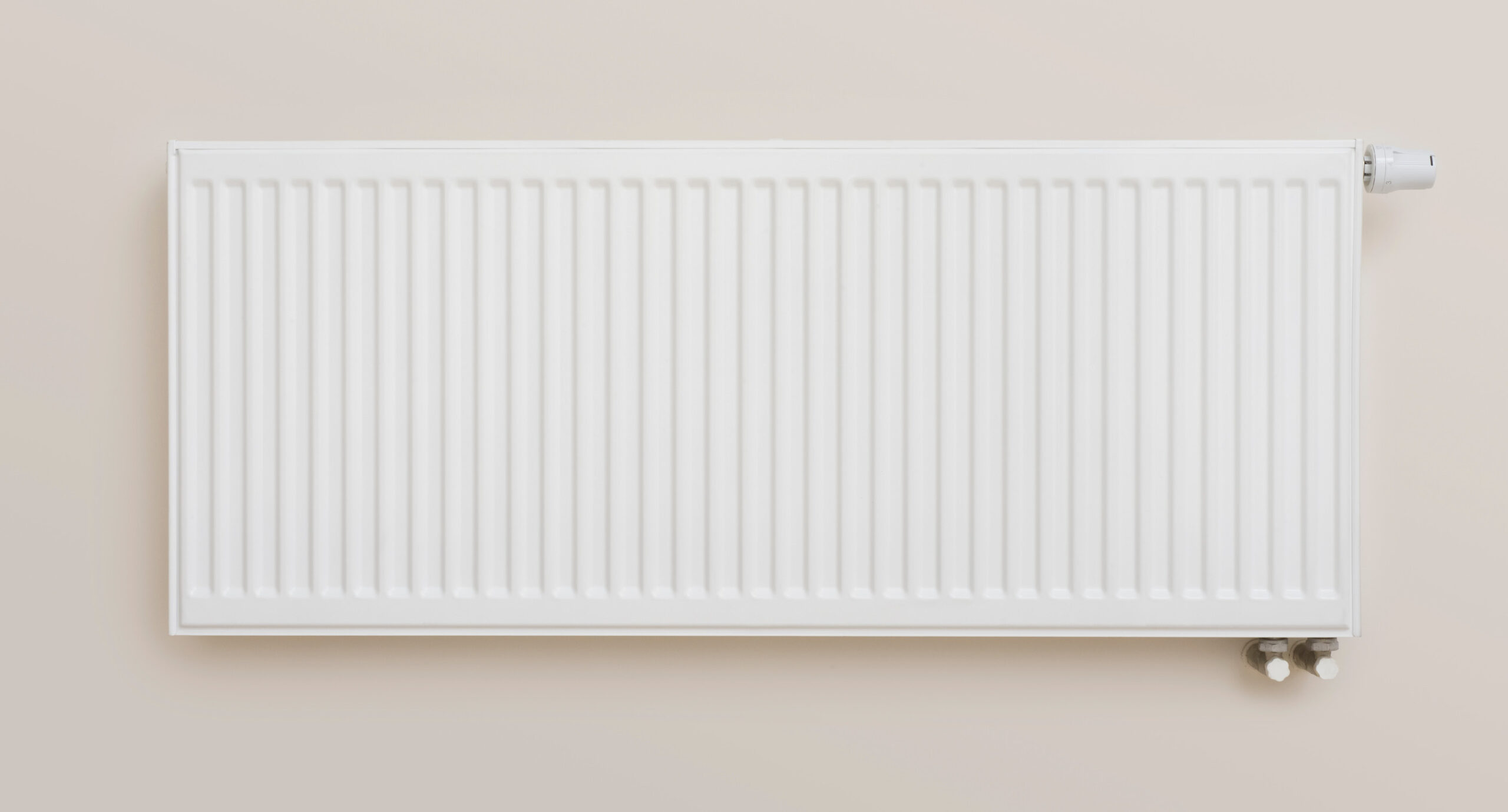
A central heating system is a vital part of every home, providing both hot water and heating. Regular maintenance is essential to ensure your system continues to perform efficiently and lasts longer, ultimately saving you money in the long run.
Wondering how to drain your central heating system? At Advanced Plumbing and Heating, we’ve put together a step-by-step guide to help you out. With the right tools and some know-how, anyone can drain a central heating system, but if you’d prefer professional help, don’t hesitate to call us at 01246 551 537.
When Should I Drain My Central Heating System?
Draining your central heating system from time to time is important for its upkeep. Failing to do so could result in issues that could be costly to fix. You should drain the system when installing a new radiator, removing an old one, or adding an inhibitor to prevent rust from affecting your system’s performance.
Step-by-Step Guide to Draining Your Central Heating System:
- Switch Off the System
For safety, make sure to turn off the system completely and allow time for the water in the pipes to cool down before you begin. - Turn Off the Water Supply to the Boiler
To stop water from entering the system while draining, turn off the water supply by shutting the stop tap. - Find the Radiator with the Drain-Off Valve
Locate the radiator with the drain-off valve, typically found on the first floor. Attach a hosepipe to the valve using a jubilee clip, and drain the water outside. If using a bucket, make sure to shut the valve after each emptying to avoid spills. - Bleed the Radiators
Open the valves on all radiators, starting with the top floor to speed up the draining process. Wait 10-15 minutes before opening the downstairs valves. Open the bleed valves to release air from the system, allowing water to drain more quickly. - Drain the System
Return to the radiator with the hosepipe and open the valve. Water will begin draining from the system, which could take up to an hour depending on your system. - Complete the Process
Once all water has drained from the system, tighten the valves on all radiators, close the valve on the radiator where you started, and remove the hosepipe (use a container for any remaining water).
What If I Don’t Have a Drain Valve?
If your system doesn’t have a drain valve, follow steps 1 and 2, and then:
- Isolate the Radiator from the System
Close the two valves and turn the regulator clockwise. Remove the plastic cap from the lockshield and use pliers to tightly close the valve. - Open the Bleed Valves
Open the bleed valves on all radiators to release air and speed up the draining process. - Loosen the Nuts and Drain
Loosen the coupling nut on the regulator side of the radiator. Place a container underneath and rotate the nut anticlockwise to allow the water to drain. If needed, attach a hosepipe with a special fitting to complete the drain.
And that’s it! You now have the skills to drain your central heating system.
Need professional help? Call Advanced Plumbing and Heating today at 01246 551 537 for expert assistance!