
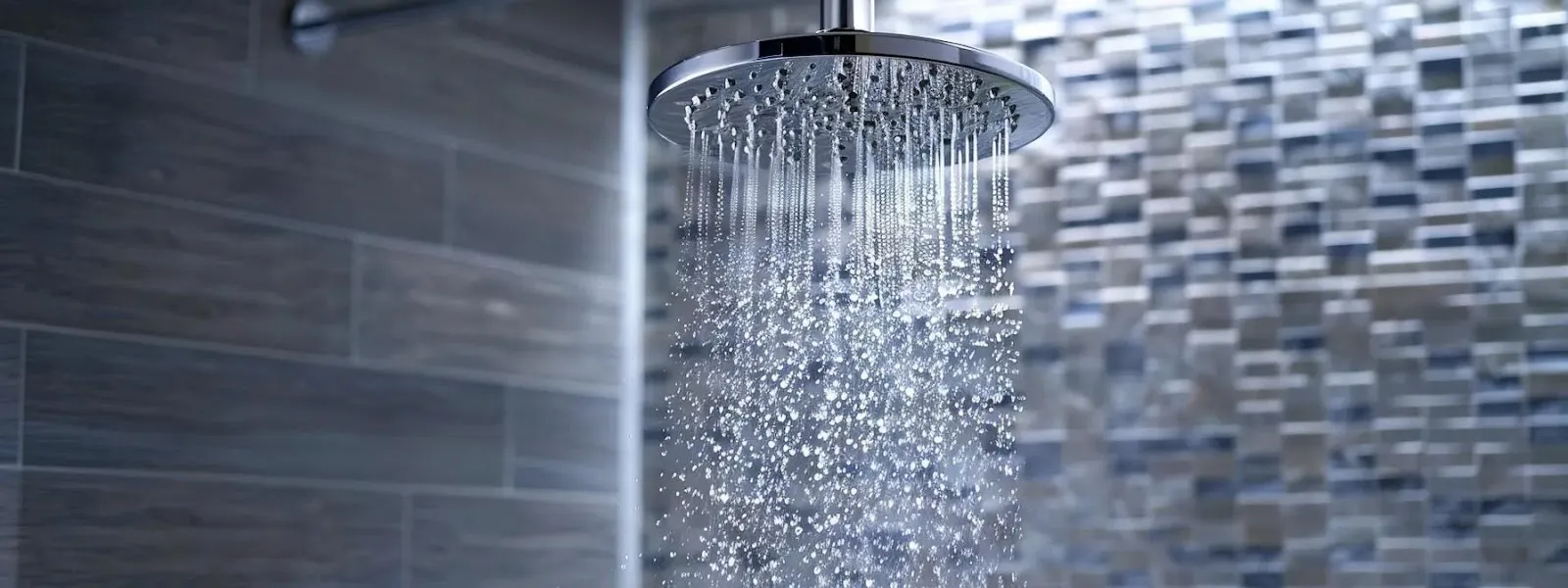
A weak or fluctuating water pressure in the shower can be frustrating, leaving you wondering if it’s time to call in a professional plumber. If you’ve noticed a significant decrease in the flow of water, several factors could be at play. In this guide, we’ll explore the possible causes of low shower pressure and provide helpful insights on how to address the issue.
Understanding Water Pressure in Your Shower
Water pressure is the force that pushes water through your pipes and into your showerhead. When everything is working correctly, the water pressure is consistent, allowing you to enjoy a comfortable shower. However, when something goes wrong, the pressure can drop, leading to less water flow and a frustrating experience.
There are a variety of factors that could cause your shower to lose pressure. Understanding these causes can help you determine whether it’s something you can fix yourself or if you need to seek professional help.
1. Clogged Showerhead
One of the most common reasons for low water pressure in your shower is a clogged showerhead. Over time, mineral deposits from hard water can accumulate inside the showerhead, blocking the flow of water. When this happens, the water pressure decreases, and the water may come out in weak streams or spray in odd directions.
Solution: To fix this, you can try removing the showerhead and soaking it in a mixture of vinegar and water for a few hours. This can help break down the mineral deposits. If the clog persists, it might be time to replace the showerhead entirely.
For more on handling plumbing issues in your home, you can refer to Plumbing Emergencies: What to Do While You Wait for a Professional.
2. Low Water Pressure from the Main Supply
Sometimes, the issue isn’t specific to your shower but rather the water supply to your entire home. If the overall water pressure in your area has dropped, your shower may be affected. This is particularly common in areas where the water supply is managed by local authorities. During high-demand periods, the water pressure can fluctuate.
Solution: If you suspect this is the case, check the water pressure in other areas of your home. If all fixtures are experiencing low pressure, the issue may lie with your water supply, and you may need to contact your water provider for assistance.
3. Issues with the Pressure Regulator
Some homes have a pressure regulator installed to control the water pressure entering the house. If this regulator malfunctions, it can cause a drop in pressure. Over time, these devices can wear out or become damaged, leading to inconsistent pressure in the shower.
Solution: You may need to replace the pressure regulator, which is a task that usually requires professional plumbing assistance. If you suspect this is the issue, it’s best to contact a qualified plumber who can assess and replace the regulator if necessary.
4. Leaks in the Plumbing System
Another common cause of low shower pressure is a leak in the plumbing system. Leaks can occur in pipes behind the walls or underground, causing water to escape before it reaches your showerhead. As a result, the water pressure drops, and you may notice a weaker flow of water.
Solution: Detecting and repairing leaks can be tricky, as many leaks occur out of sight. If you suspect a leak, it’s best to contact a professional plumber who can conduct a thorough inspection of your plumbing system to locate and repair any leaks.
5. Faulty Valve or Diverter
In some cases, the issue may not lie with the water pressure itself but with the valve or diverter that controls the flow of water in your shower. These components can become worn out or damaged, leading to reduced water flow or inconsistent pressure.
Solution: If the issue seems to be isolated to the shower valve, you may need to replace it. This is another situation where professional plumbing help is recommended, especially if the valve is difficult to access.
6. Sediment Buildup in the Pipes
If your home has older plumbing or has recently undergone a pipe replacement, you may experience sediment buildup inside the pipes. Over time, minerals and debris can accumulate inside the pipes, leading to blockages that restrict water flow and cause low pressure in the shower.
Solution: In this case, the solution may involve flushing the pipes or replacing certain sections that are heavily clogged. A professional plumber can use specialized equipment to clear the sediment and restore proper water flow.
7. Water Heater Issues
For those who experience a loss of pressure when using hot water, the issue could be with the water heater. If the heater is malfunctioning or clogged with sediment, it may be affecting the flow of water and causing low pressure.
Solution: You should regularly maintain your water heater by flushing out sediment buildup to prevent clogs. If the problem persists, it may be time to repair or replace the water heater.
For more plumbing tips and services, feel free to visit Advanced Heating.
How to Prevent Low Shower Pressure in the Future
Once you’ve identified the cause of the low water pressure in your shower, it’s important to take preventive measures to avoid future issues. Here are a few tips:
- Regularly clean your showerhead to prevent mineral buildup.
- Install a water softener if you live in an area with hard water.
- Schedule annual plumbing inspections to catch any potential issues before they become major problems.
- Check your water pressure regularly to ensure it remains within normal levels.
Conclusion
If you’re experiencing low water pressure in your shower, several factors could be to blame. From clogged showerheads and plumbing leaks to problems with your water supply or pressure regulator, there’s a wide range of potential causes. Identifying the root cause of the issue can help you decide whether it’s something you can address yourself or if you need to call a professional plumber for assistance.
Remember, if you encounter a plumbing emergency or need expert help, don’t hesitate to contact a professional for guidance and repairs. Taking action quickly can help restore your shower’s water pressure and prevent further damage to your plumbing system.
For any plumbing emergencies or professional advice, check out the resources available at Advanced Heating.