
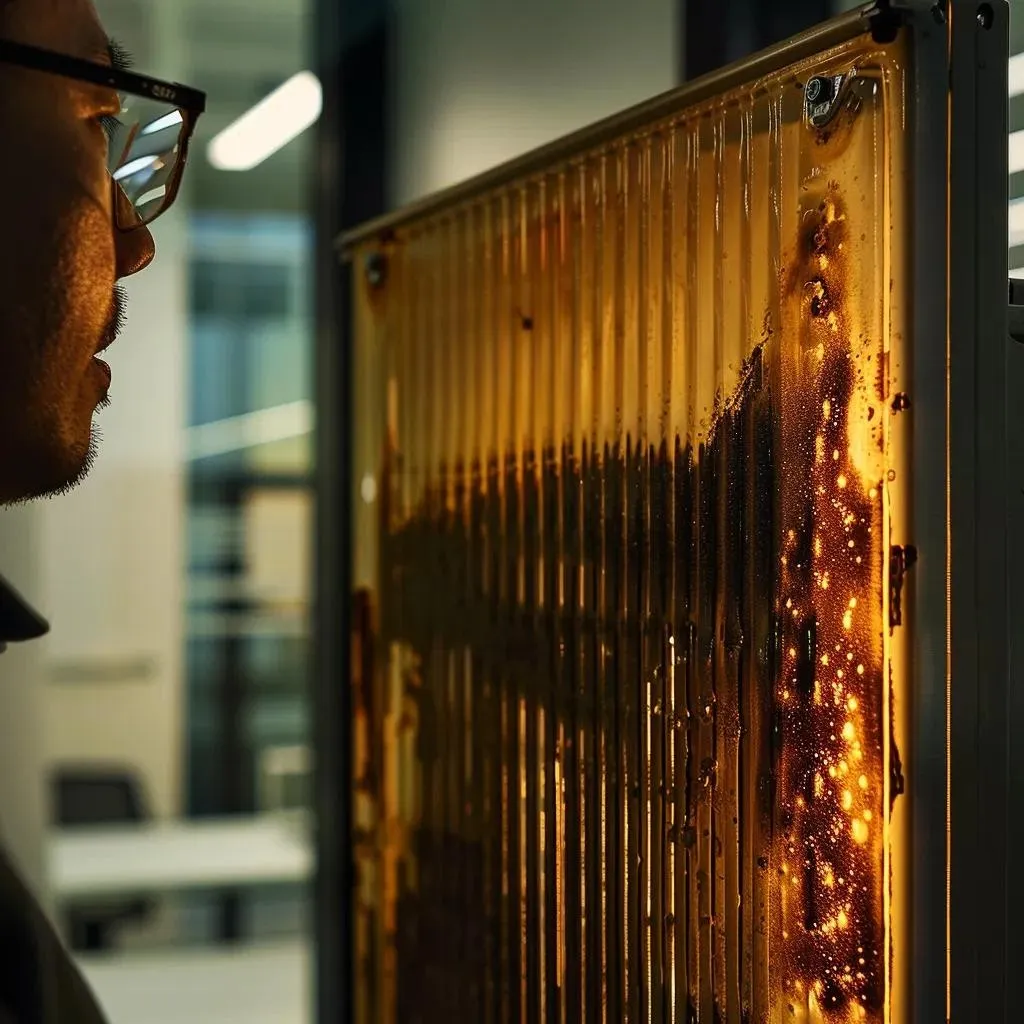
If your radiators aren’t heating up properly, it can be frustrating, especially when you’re relying on them to warm your home during cold months. There could be several reasons why your radiators aren’t performing as they should. In this article, we’ll explore some common causes and offer solutions to help you resolve the issue and keep your home warm and comfortable.
Understanding How Radiators Work
Before diving into potential issues, it’s important to understand how radiators function. Radiators are part of your central heating system, and their job is to distribute heat throughout your home. They work by heating water, which is then pumped through the radiator and released into the air in your room. If your radiators aren’t heating properly, it usually means there’s a problem with the water circulation or heat distribution.
Let’s explore the common reasons why your radiators may not be heating properly.
1. Air Trapped in the Radiator
One of the most common reasons for radiators not heating properly is the presence of air trapped inside them. Over time, air can accumulate in the system, preventing hot water from flowing freely through the radiator. This can cause cold spots, especially at the top of the radiator, and make it less effective in heating the room.
Solution: To fix this, you need to bleed the radiator. Bleeding releases the trapped air and allows hot water to fill the radiator, restoring proper heat distribution. You can do this by using a radiator key to open the bleed valve at the top of the radiator and letting the air escape. Once water starts flowing out, close the valve, and your radiator should start heating properly.
2. Faulty Thermostat
Another common cause of radiator issues is a faulty thermostat. If your thermostat is malfunctioning, it may not be sending the correct signals to the heating system. As a result, the radiators may not heat up properly, or they may not heat at all.
Solution: Check your thermostat settings and make sure they are correct. If the thermostat seems to be malfunctioning or is not responding, you may need to replace it. If you suspect the thermostat is causing the issue, it’s advisable to call a professional to inspect and replace it if necessary.
3. Low Boiler Pressure
If the water pressure in your heating system is too low, it can prevent the radiator from heating up properly. Low boiler pressure is often caused by a leak in the system or a build-up of air. If the pressure is too low, the boiler may not be able to pump water through the radiators effectively.
Solution: Check the pressure gauge on your boiler. If it’s below the recommended level (usually between 1 and 1.5 bar), you’ll need to repressurize the system. This can usually be done by following the instructions in your boiler’s manual. If the pressure continues to drop, there could be a leak in the system that needs to be addressed by a professional.
For those looking to upgrade to a more efficient heating system, consider installing a new boiler. You can learn more about new boiler options here.
4. Blocked or Sludged-Up Pipes
Over time, sludge and debris can build up in your central heating system, especially in the pipes that supply water to your radiators. This can lead to blockages that prevent the radiator from getting enough hot water. As a result, your radiator may feel cold or only heat up partially.
Solution: If you suspect a blockage or sludge buildup, you can try flushing the system using a chemical cleaner. This process is often best carried out by a professional plumber, as they will have the necessary tools and experience to thoroughly clean the system without causing any damage.
5. Faulty Valve or Diverter Valve
The valve on your radiator controls the flow of hot water into the radiator. If the valve is faulty or stuck, it may prevent the radiator from heating properly. In some cases, the diverter valve in your heating system may also be malfunctioning, leading to uneven heating across different radiators.
Solution: If the valve is stuck or not working properly, you may need to replace it. If you’re not familiar with radiator valves or diverter valves, it’s a good idea to seek professional help to ensure the issue is fixed correctly.
6. Improperly Sized Radiators
If your radiators are not the right size for the room they’re supposed to heat, they may not be able to provide sufficient warmth. Radiator size is based on the room’s square footage and insulation, so having an incorrectly sized radiator can lead to poor heat distribution.
Solution: If you suspect your radiators are too small for your space, it may be necessary to upgrade to larger radiators. A professional heating engineer can assess your home and recommend the right-sized radiators for each room.
7. Issues with the Central Heating Pump
The central heating pump is responsible for circulating water around the heating system and ensuring it flows through your radiators. If the pump is faulty or not working efficiently, it can lead to poor circulation and cause some radiators to remain cold.
Solution: Check if the pump is running. If you hear a strange noise or notice that the pump isn’t functioning correctly, you may need to replace it. A professional plumber or heating engineer can inspect the pump and ensure it’s working properly.
How to Prevent Heating Problems in the Future
Maintaining your radiators and heating system is key to preventing future issues. Here are some tips to keep everything running smoothly:
- Annual Boiler Service: Schedule a regular service for your boiler to ensure it’s functioning efficiently.
- Bleed Your Radiators: Bleed your radiators every 6 months to release trapped air.
- Flush the System: Have your system flushed every few years to prevent sludge and debris buildup.
- Check Pressure Regularly: Keep an eye on your boiler pressure to ensure it remains at the correct level.
When to Call a Professional
If you’ve tried the above solutions and your radiators are still not heating properly, it may be time to contact a professional. A qualified plumber or heating engineer can diagnose the issue, fix any problems, and ensure your heating system is running efficiently.
If you’re considering a new boiler installation, or need advice on your existing heating system, visit Advanced Heating for expert assistance.
Conclusion
There are several reasons why your radiators might not be heating properly, but most of them can be easily fixed with a bit of maintenance or professional help. From air in the system to a faulty thermostat or low boiler pressure, pinpointing the issue early can save you time, money, and discomfort.
If you’re facing persistent heating issues or want to explore new, more efficient heating options, don’t hesitate to contact a professional. Visit Advanced Heating to get expert advice or schedule a service.