
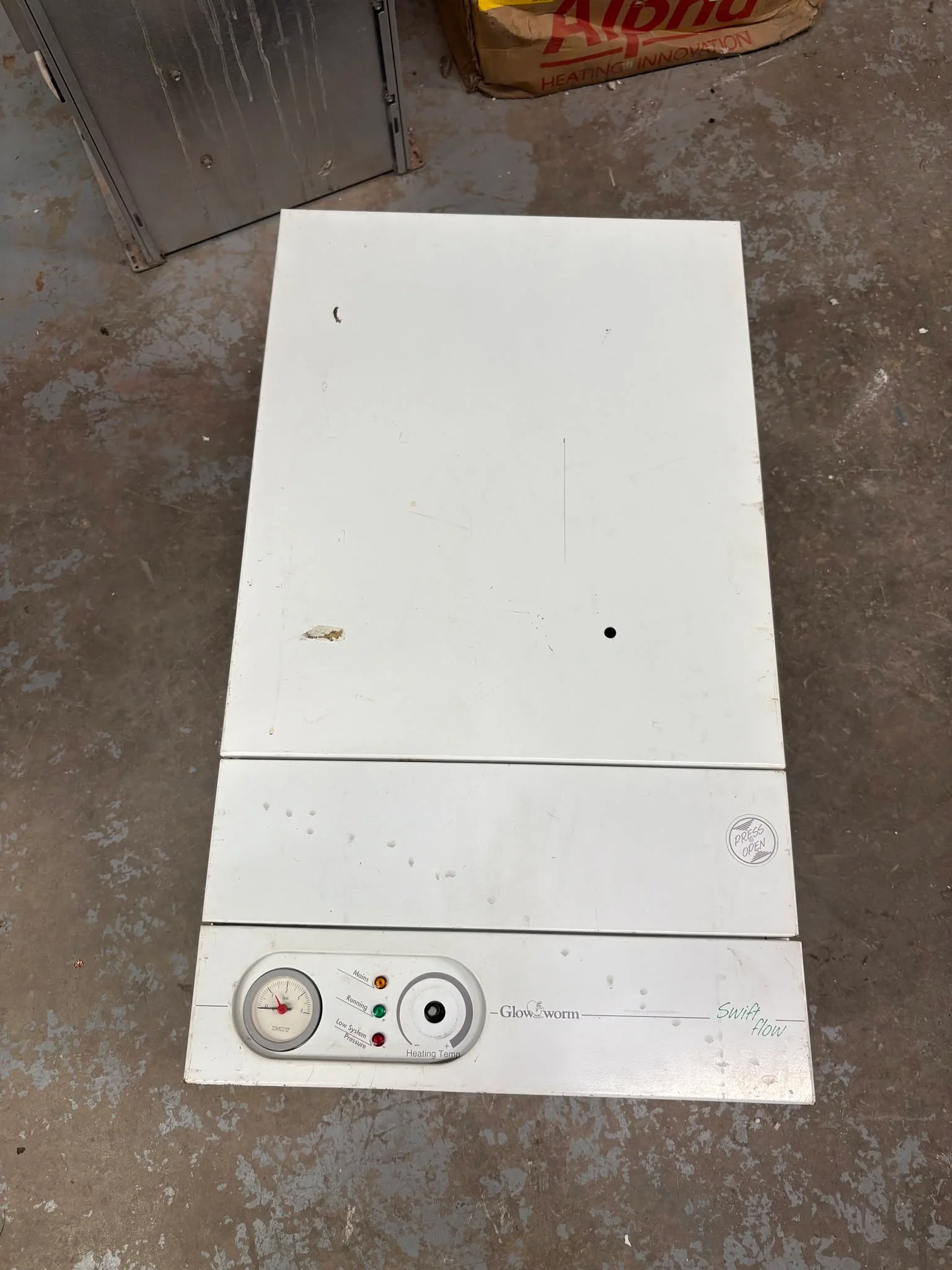
A property survey can reveal many important details before you complete a purchase. While issues with the roof, structure or electrics often receive immediate attention, an older heating system can sometimes be overlooked.
An ageing boiler may still be working when you move in, but it could bring future costs that are not always obvious during the buying process. Understanding these potential expenses can help you plan your budget more effectively.
From replacement parts to a complete upgrade, knowing what to expect can prevent heating costs from becoming a surprise after moving day. If you need advice about the condition of a boiler or heating system, contact APH for professional guidance tailored to your home.
Why Can an Old Heating System Become an Unexpected Cost?
Many buyers focus on immediate moving expenses such as legal fees, furniture and decorating, but the heating system is one of the largest working components in a property.
An older system may require attention due to:
- Reduced efficiency
- Increasing repair frequency
- Outdated components
- Poor heating performance
- Difficulty sourcing replacement parts
A boiler that appears fine during a viewing may not provide the reliability expected over the coming years.
This does not mean every older boiler needs replacing immediately. However, understanding its condition can help you make realistic financial plans.
What Hidden Heating Costs Should Homebuyers Consider?
When a survey identifies an older heating system, buyers should consider more than just the price of a replacement boiler.
Potential costs may include:
| Potential Cost | Why It May Be Needed |
| Boiler repairs | Older systems may develop faults more frequently |
| Replacement parts | Some older models may require harder-to-find components |
| Boiler replacement | An ageing system may eventually need upgrading |
| New controls | Modern controls can improve efficiency and comfort |
| Pipework updates | Older systems may need adjustments for a new boiler |
These costs can vary depending on the condition of the current system and the requirements of the property.
How Much Should You Budget for a Boiler Upgrade?
The cost of upgrading a heating system depends on several factors, including the type of boiler, installation requirements and any additional improvements needed.
The cost for boiler installation can vary because every property has different needs. A straightforward replacement may involve less work than upgrading an older system with outdated pipework or heating controls.
Factors that can influence the overall investment include:
- Boiler type and specification
- Property size
- Existing system condition
- Installation complexity
- Additional components required
Getting a professional assessment before making decisions can help you understand the likely costs involved.
What Does a Boiler Survey Warning Actually Mean?
A survey comment about an old heating system does not always mean there is an immediate problem. Surveyors often highlight areas that may need attention in the future.
A warning could mean:
- The boiler is older but currently operational
- The system may be less efficient than modern alternatives
- Maintenance records are unavailable
- Further investigation is recommended
Understanding the difference between a current issue and a future consideration can help you decide your next steps.
Should an Old Boiler Affect Your Property Budget?
Yes, an older boiler can be a factor when reviewing your overall moving budget. Even if replacement is not immediately required, it is sensible to consider possible future spending.
Homebuyers should think about:
- How long they plan to stay in the property
- Whether the boiler has a service history
- The age of the heating system
- Whether energy efficiency improvements are important
Planning for a possible upgrade can make homeownership more manageable and reduce financial pressure later.
Are Boiler Prices and Installation Costs Different?
Yes. The price of the boiler itself is only one part of the total investment. A complete installation involves labour, materials and any additional work required for your property.
When reviewing boiler prices and installation, homeowners should consider the full package rather than just the equipment cost.
A professional quotation should explain:
- The recommended boiler model
- Installation work included
- Additional materials required
- Warranty details
- Any possible extra costs
This makes it easier to compare options and understand the true value of the installation.
Could a New Heating System Improve Your New Home?
Replacing an old heating system can provide several benefits beyond avoiding breakdowns.
A modern boiler may offer:
- Improved energy efficiency
- More consistent room temperatures
- Better hot water performance
- Easier heating control
- Greater reliability
For many homeowners, upgrading the heating system becomes part of improving the comfort and long-term value of their property.
When Should You Act After Receiving a Survey Warning?
The right time to act depends on the severity of the issue and the condition of the boiler.
You may want to arrange a professional assessment if:
- The boiler is very old
- The survey mentions safety concerns
- The system has no maintenance records
- Repairs are becoming common
- Heating performance is poor
A professional can help you decide whether servicing, repairs or replacement is the most sensible option.
Speak to APH for expert advice if your property survey has highlighted concerns about your existing heating system.
A Typical Heating Upgrade Situation
A buyer purchases an older Chesterfield home, and the property survey notes that the boiler is nearing the end of its expected lifespan. The boiler is still working, but there is limited service history, and the system is less efficient than modern alternatives.
After moving in, the homeowner arranges an assessment. The heating requirements are reviewed, and a replacement is planned that suits the property size and household needs.
By understanding the likely costs early, the homeowner can budget properly rather than waiting for an emergency breakdown.
How Can Buyers Reduce the Risk of Unexpected Boiler Costs?
Before completing a property purchase, buyers can take several practical steps:
- Request boiler service records
- Ask about previous repairs
- Check the boiler age
- Consider a professional inspection
- Include possible heating upgrades in the budget
These simple checks can provide valuable information and help you feel more prepared before moving into your new home.
Frequently Asked Questions
Does an old boiler always need replacing?
No. An older boiler may continue working safely if it has been maintained properly. However, its condition, efficiency and future reliability should be considered.
How much does it cost to replace an old boiler?
The cost depends on the boiler type, installation requirements, property size and any additional work needed. A professional assessment can provide a clearer estimate.
Should I negotiate the house price if the boiler is old?
An old boiler can be considered during negotiations, especially if replacement may be needed soon. However, the decision depends on the overall condition and value of the property.
Need Expert Heating Advice?
An old heating system does not have to be a reason to avoid buying a property, but it is something worth understanding before completing your purchase. Knowing the potential costs involved allows you to plan and make confident decisions.
APH can help homeowners assess their heating options and understand whether repairs, maintenance or replacement is the right approach. With expert advice and careful planning, you can protect your budget while creating a comfortable home.
Contact APH today for professional guidance on boiler upgrades, installation and heating system advice.