
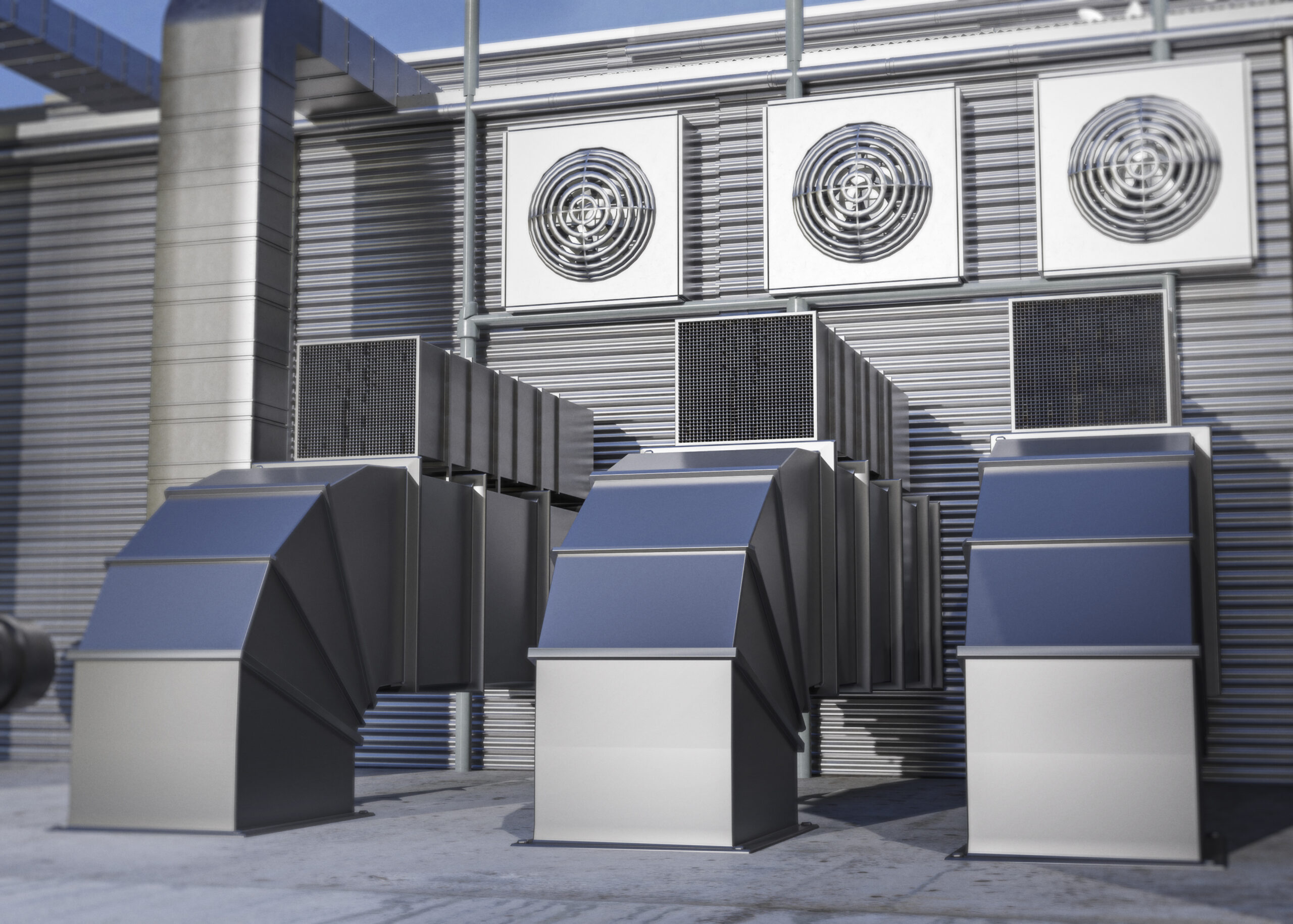
HVAC System Types: What Are They & How Do They Work?
HVAC stands for Heating, Ventilation, and Air Conditioning, sometimes simply referred to as ‘climate control.’ The primary goal of HVAC systems is to regulate environmental conditions inside a home or property. There are various types of HVAC systems, each designed to control a property’s temperature and indoor climate in slightly different ways. Not only do HVAC systems help manage temperature, but they also ensure optimal air quality within your environment.
What exactly is an HVAC system, and how can the range of HVAC system types be beneficial? In this guide, we’ll explain the different HVAC system types and how each works.
The Home HVAC System
An HVAC system can be broken down into three main areas: heating, ventilation, and air conditioning.
Heating
HVAC systems typically include components that heat a property, raising indoor temperatures to provide comfortable living conditions during colder months. Heating is often done through a central heating system. A boiler or heat pump generates heat for the building, and the central heating system pumps water through pipes, releasing it through radiators to warm up rooms.
Alternatively, properties can be heated by distributing warm air to different rooms using a different method. Temperature control is typically managed through the central HVAC console, allowing certain areas to reach specific temperatures.
Ventilation
The ventilation aspect of an HVAC system ensures that fresh air is constantly circulating throughout the building. A control system helps replace indoor air with cleaner outdoor air, expelling the stale air through a ventilation exhaust unit.
Ventilation improves the amount of oxygen inside a building and boosts air quality. The built-in filtration system ensures that harmful particles, fumes, or moisture don’t enter the circulating air, ensuring cleaner air for your indoor environment.
Air Conditioning
Air conditioning plays a crucial role in HVAC systems. A common misconception is that AC systems only cool the air inside a building. In reality, they offer a number of benefits. Not only do they cool the environment to make it more comfortable, but they also help control humidity levels, protecting both people and property.
There are several different air conditioning systems available to suit various needs, depending on your specific requirements.
HVAC System Types
There are many different types of HVAC systems. Depending on your needs, you might find that one system works better than another. It’s important to consider the various types before making a decision.
Heating and Air Conditioning Split System This common HVAC system design places different components both inside and outside the property. Typically, the system includes an outdoor air conditioner and an indoor fan/coil unit, along with ductwork to distribute the air throughout the property. Modern split systems are designed to be energy-efficient, incorporating air purifiers and filters to clean the air properly.
Hybrid Split System Hybrid systems are similar to the heating and air conditioning split systems, but they offer more flexibility. They can switch between gas and electric power as needed, making them highly energy-efficient. The hybrid system uses thermostats and ductwork, allowing for more control over energy conservation and potentially reducing energy bills.
Duct-Free Split System This system comes with a higher initial cost, but it has many advantages. As a duct-free system, it doesn’t require ductwork, and instead, individual units are placed in each room. This provides greater control over the temperature in each room, which is ideal for larger properties, such as business buildings or hotels. Though installation costs can be high, the energy savings and control may offer long-term benefits. Regular cleaning and maintenance are essential for these systems, as repairs can be expensive.
The Benefits of an HVAC System
All HVAC system types come with several advantages:
Improved Air Quality HVAC systems help maintain a constant flow of clean air in a property, improving air quality and ensuring comfortable indoor temperatures. The air filters in these systems play an important role in maintaining a healthy environment.
Energy Efficiency Upgraded HVAC technologies, such as advanced thermostats, allow you to better control and monitor energy consumption. This helps you avoid wasting energy in rooms that aren’t occupied and ensures more precise and efficient heating and cooling.
Cost Savings With greater control over when and how you use the system, HVAC systems can help you save money in the long run. While installation costs may be high, the energy savings and long-term benefits typically make the system a good investment. Additionally, an HVAC system could increase the value of your property if it were to be sold.
What to Consider
In the UK, HVAC systems are more commonly used in larger buildings such as business centers and hotels. Due to the integrated nature of heating, ventilation, and air conditioning, installation costs can be high.
Need More Information About HVAC System Types?
We hope this guide has helped you understand the different HVAC system types available. If you have any further questions or need help selecting the best system for your needs, our team of engineers at Advanced Plumbing and Heating is always available to assist you. Feel free to call us at 01246 551 537. for advice or more information.

pump, heat, ventilation, duct, air conditioning, furnace, humidity, heat pump, thermostat, air handler, heat exchanger, boiler, refrigerant, air filter, electric heating, heating system, climate, seasonal energy efficiency ratio, water heating, heat pump and refrigeration cycle, radiator, indoor air quality, ashrae, pressure, evaporator, compressor, smart thermostat, liquid, chiller, passive ventilation, fan coil unit, pipe, chilled water, oil, heat transfer, engine, building science, propane, thermal comfort, underfloor heating, heating, equipment, home hvac, hvac, heating and cooling, construction, combustion, dehumidifier, variable air volume, coolant, centrifugal fan, home automation, convection, humidifier, radiant heating and cooling, free cooling, air purifier, valve, heating oil, dew point, dust, district heating, sustainability, natural gas, room, warranty, oxygen, floor, heat sink, innovation, efficiency, infrared, volatile organic compound, building automation, cooling tower, carbon, sensible heat, solar energy, roof, infrastructure, noise, wall, stove, heat pipe, plenum space, energy, intake, building insulation, moisture, baseboard, variable refrigerant flow, constant air volume, trane, volume, thermal insulation, mobile home, mini split systems, split systems, heat pumps, home comfort, units, heat pump systems, ductless mini split, air systems, indoor air, air handlers, furnaces, hvac systems, cooling system, hvac system, hvac systém, operating cost, ground source heat pump, united states environmental protection agency, hvac techs, commercial hvac, hvac services, hvac technicians, apprenticeship, technician, knowledge, hydronics, customer service, air source heat pump, british thermal unit, mildew, metal, odor, occupational safety and health, bureau of labor statistics, ceiling fan, basement, minimum efficiency reporting value, brand, energy star, new york city, safety, emergency, lighting, troubleshooting, citation, willis carrier, space heater, acronym, computing, hvac training, hvac solutions, commercial hvac systems, danfoss fc102, data center, north america, renewable energy, water cooling, absorption refrigerator, inflation reduction act, air system
Frequently Asked Questions
Are Bryant HVAC systems good?
Bryant HVAC systems are known for their reliability and efficiency, making them a strong choice for heating and cooling needs. With a range of options and advanced technology, they deliver consistent performance and comfort in both residential and commercial settings.
Are Carrier HVAC systems good?
Carrier HVAC systems are known for their reliability, energy efficiency, and advanced technology. Customers often praise them for providing consistent comfort and improving indoor air quality, making them a solid choice for both residential and commercial applications.
Are Amana HVAC units made in America?
Amana HVAC units are proudly manufactured in America. The brand is known for its commitment to quality and innovation in heating and cooling solutions, ensuring that customers receive durable and reliable products made on American soil.
Are all HVAC systems the same?
Not all HVAC systems are the same; they vary in design, efficiency, and functionality. Different types, such as split systems, duct-free systems, and hybrid systems, cater to specific heating and cooling needs for residential and commercial spaces.
Are air filters necessary for HVAC systems?
Air filters are essential for HVAC systems. They improve indoor air quality by trapping dust, allergens, and pollutants, ensuring the system operates efficiently and prolonging its lifespan. Regular filter changes are crucial for optimal performance.
Are dampers bad for HVAC systems?
Dampers are not inherently bad for HVAC systems; they are essential components that help regulate airflow and temperature. When properly installed and maintained, dampers enhance system efficiency and comfort by directing air where it's needed.
Are carbon filters safe for HVAC systems?
Carbon filters are safe for HVAC systems and are effective in improving indoor air quality by removing odours and harmful pollutants. Regular replacement is essential to maintain optimal performance and ensure the system operates efficiently.
What are the key features of Bryant HVAC systems?
The key features of Bryant HVAC systems include reliable performance, energy efficiency, advanced humidity control, and quiet operation, making them ideal for maintaining comfortable indoor environments in both residential and commercial settings.
How do Carrier HVAC systems compare in efficiency?
Carrier HVAC systems are known for their high efficiency, often featuring advanced technology that maximises performance and minimises energy consumption, making them a top choice among homeowners and businesses seeking cost-effective climate control solutions.
What are the benefits of Amana HVAC units?
The benefits of Amana HVAC units include energy efficiency, reliable performance, and advanced technology, ensuring optimal indoor comfort. Their units are also backed by strong warranties, providing peace of mind for homeowners.
Do all HVAC systems require similar maintenance?
Not all HVAC systems require similar maintenance. Each type, such as split systems, hybrid systems, and duct-free systems, has specific maintenance needs tailored to its design and operational characteristics, making regular professional servicing essential for optimal performance.
What types of air filters are recommended for HVAC?
The recommended types of air filters for HVAC systems include HEPA filters, which capture the smallest particles, and MERV-rated filters, which vary in efficiency. Choosing the right filter improves air quality and system efficiency.
How do dampers affect airflow in HVAC systems?
Dampers affect airflow in HVAC systems by regulating the amount of air that passes through ducts. By opening or closing, they help manage temperature and ventilation balance, ensuring efficient operation and optimal indoor climate control.
What types of carbon filters work best with HVAC systems?
The types of carbon filters that work best with HVAC systems include activated carbon filters and HEPA filters with carbon layers. These options effectively remove odours, volatile organic compounds (VOCs), and other pollutants, enhancing indoor air quality.
Can you upgrade an existing HVAC system easily?
Upgrading an existing HVAC system can be straightforward, depending on the complexity of the current setup. Our team at Advanced Plumbing and Heating can assess your system and guide you through a smooth upgrade process.
What is the lifespan of common HVAC system components?
The lifespan of common HVAC system components varies, with furnaces lasting 15-20 years, air conditioners around 12-15 years, and heat pumps typically between 10-15 years, depending on usage and maintenance.
How to choose the right HVAC system for home?
Choosing the right HVAC system for your home requires considering factors such as your home's size, climate, energy efficiency, and budget. Consulting with a professional can help you select the most suitable system to ensure optimal comfort and air quality.
What are the most energy-efficient HVAC systems?
The most energy-efficient HVAC systems include ductless mini-splits, geothermal heat pumps, and variable refrigerant flow (VRF) systems. These options effectively reduce energy consumption while maintaining optimal indoor comfort.
How often should HVAC air filters be replaced?
HVAC air filters should be replaced regularly to maintain optimal system performance. Generally, it's recommended to replace them every 1 to 3 months, depending on usage and filter type.
What are signs of a failing HVAC system?
Signs of a failing HVAC system include unusual noises, inconsistent temperatures, increased energy bills, and poor air quality. If you notice these symptoms, it may be time to contact a professional for assessment and repairs.
Which HVAC systems are best for allergy sufferers?
The best HVAC systems for allergy sufferers are those equipped with high-efficiency particulate air (HEPA) filters, such as advanced ductless systems and central air systems, as they effectively trap allergens and improve indoor air quality.
Are there specific HVAC systems for commercial use?
Specific HVAC systems are designed for commercial use, including packaged rooftop units, variable refrigerant flow systems, and chilled beam systems, each tailored to handle the larger space and diverse climate control needs of commercial buildings.
How does weather influence HVAC system performance?
Weather significantly influences HVAC system performance by affecting temperature and humidity levels. Extreme temperatures can strain systems, leading to decreased efficiency and potential failures, while moderate conditions can enhance effectiveness and reduce energy consumption.
Can HVAC systems be environmentally friendly?
HVAC systems can indeed be environmentally friendly. Many modern systems incorporate energy-efficient technologies, use eco-friendly refrigerants, and optimise energy consumption, significantly reducing their carbon footprint and promoting sustainable indoor climate control.
What advances are being made in HVAC technology?
Advancements in HVAC technology include the development of smart systems that optimise energy use, enhanced air purification methods, and the integration of eco-friendly refrigerants, all designed to improve efficiency and comfort while reducing environmental impact.
How do humidity levels affect HVAC system operation?
Humidity levels significantly influence HVAC system operation. High humidity can hinder the system's efficiency, making it work harder to regulate temperature, while low humidity can lead to dry air that affects comfort and health.
What should be considered when installing new HVAC?
When installing new HVAC, important factors to consider include the size and layout of the space, energy efficiency ratings, and proper installation procedures to ensure optimal performance and comfort. Consulting with a professional can help in making informed decisions.
Are programmable thermostats effective for HVAC systems?
Programmable thermostats are effective for HVAC systems as they allow users to set schedules, optimising temperature control and improving energy efficiency, leading to cost savings and enhanced indoor comfort.
How is indoor air quality improved by HVAC systems?
HVAC systems improve indoor air quality by regulating temperature, humidity, and ventilation. They filter out dust, allergens, and pollutants, ensuring a healthier environment and enhancing comfort for occupants in residential and commercial spaces.
What common issues arise with HVAC systems?
Common issues that arise with HVAC systems include poor airflow, inconsistent temperatures, unusual noises, and refrigerant leaks. Regular maintenance can help prevent these problems and ensure optimal performance of your heating and cooling systems.
hvac systems, hvac, hvac system, hvac air conditioning, heating ventilation and air conditioning