
Many of us rely on our air conditioning to stay cool during the warmer months, but what exactly happens behind the scenes? It’s important to understand what your air conditioning condenser unit is and how it functions within your A/C system, so you can maintain it properly and address any issues that arise. This informative guide from Advanced Plumbing & Heating will walk you through everything you need to know.
What is a Condenser Unit?
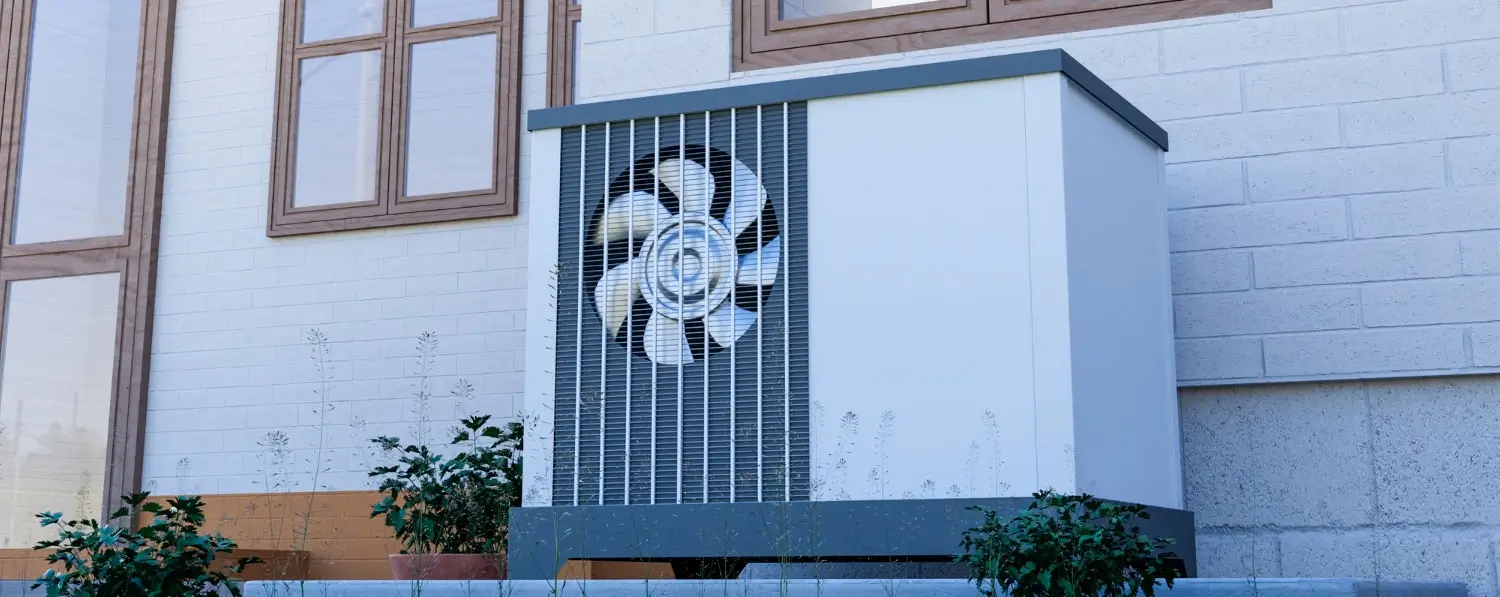
An air conditioning condenser unit is the outdoor component of your A/C system. It houses the fan, the condenser, and a number of other key components. Both the indoor and outdoor units must work together to provide cool air throughout your home.
The condenser plays the most crucial role in the outdoor unit. It’s equipped with coils made of copper, and inside the condenser, there are fans fitted with aluminium fins.
The compressor, an electric pump, is also essential in the outdoor unit. It pressurises the refrigerant— the cooling agent—and transfers it to the condenser coil.
What Does the Condenser Unit Do?
The outdoor unit, or condenser unit, contains the compressor. The refrigerant gas enters the compressor, where its molecules are compressed and heated. The compressor then sends the hot refrigerant gas to the condenser, where the fans work to expel the heat. The refrigerant turns into a liquid form and then returns to the indoor unit to continue the cooling process.
Once the indoor unit collects the heated air, it sends it back outside where it is expelled. This cycle repeats until the air inside your home reaches the desired temperature set on your thermostat.
In short, the condenser unit’s job is to circulate and cool the refrigerant, turning it into a liquid. Without it, the system won’t work.
Common Issues with Your A/C Condenser
Things don’t always go according to plan. Early detection of any issues can save you money and prevent your air conditioning system from completely failing.
Over time, you might encounter problems like a clogged condenser or damaged condenser coils. While the system may still run, it will become less efficient. If the refrigerant isn’t cooled properly, your system will struggle and may eventually shut down. In this case, you’ll need to contact a professional technician to resolve the issue.
When the system works harder to cool the air, it can lead to higher energy bills and a larger carbon footprint, something we all want to avoid.
How to Spot Issues with Your A/C Condenser
If you notice your energy bills going up, it could be a sign that something’s wrong with your condenser unit.
Another red flag is if you’re refilling the system more often than usual. This indicates a potential issue.
A lack of cool air is also a clear sign that there’s a problem with your A/C system. This could be due to a frozen condenser (look for any puddles of fluid around the units).
If you hear unusual noises coming from the units, that’s another indication of an issue.
But don’t worry— with proper maintenance, these problems are less likely to occur.
Maintaining the Condenser Unit
Always have a qualified air conditioning technician handle any repairs to your A/C system. While some minor fixes can be done yourself, it’s best to leave it to the professionals to avoid causing further damage.
To keep your system running efficiently, have your air conditioning serviced at least once a year.
You should also change the air filters every 90 days. Check your air conditioning manual for more specific guidelines.
Ensure that the vents are free of dirt and debris. Clean the outdoor drain with a bleach and water mixture, and dust off any dirt from the indoor vents.
If your home has an air conditioning system larger than 12kW, it’s mandatory to have an energy assessor perform an inspection every five years.