
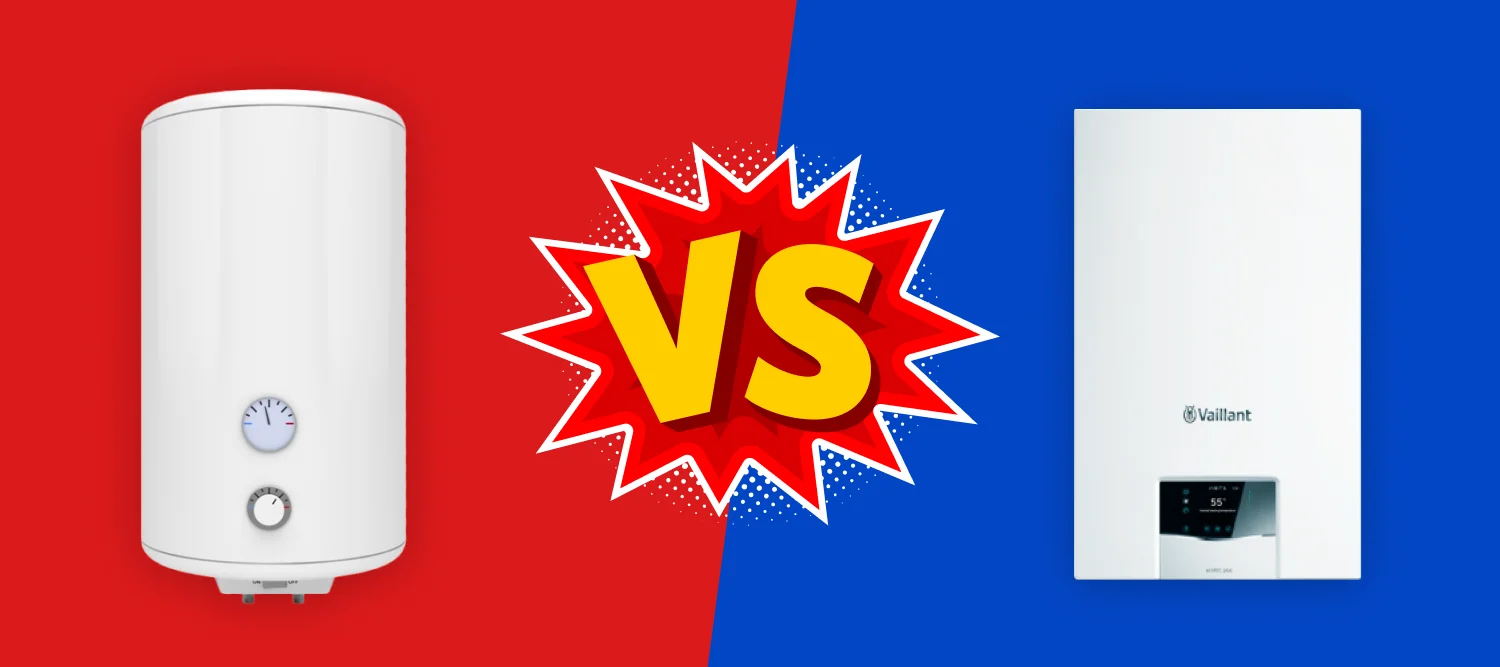
If you’re in the market for a new boiler, you’ll probably be comparing two types of home heating systems: electric boilers and gas boilers. In the UK, these are the most common options, both known for being energy-efficient, affordable, and easy to use.
However, when it comes to choosing the best boiler for your home, how do you decide between a gas boiler and an electric one?
Here, we’ll explore the differences between electric and gas boilers, along with the benefits of each, to help you make an informed decision on which option suits your needs best.
How Do Electric and Gas Boilers Work?
What is an Electric Boiler?
Electric boilers convert electricity into heat, rather than burning fossil fuels. They are typically used in smaller homes or apartments with lower heating and hot water needs, or homes that don’t have access to the main gas supply.
What is a Gas Boiler?
Gas boilers are the most popular choice in the UK, with the majority of homes relying on them for heating and hot water. These boilers burn natural gas to generate heat, and gas is usually supplied to homes via the main gas network. If a property isn’t connected to the gas grid, it can use liquefied petroleum gas (LPG). A gas boiler also requires electricity to operate, but it uses a minimal amount compared to an electric boiler.
Electric Boilers vs Gas Boilers: Which is More Energy Efficient?
Electric boilers don’t burn fossil fuels and therefore emit no exhaust gases. This means they convert all the energy into heat with little waste, often earning the highest efficiency ratings, especially when powered by renewable energy sources like solar panels.
Gas boilers, while required to have an energy efficiency rating of at least 90% (A-rated), are typically more effective in homes with higher heating demands. This means that for larger homes, a gas boiler may be more efficient.
Which is Safer: Electric or Gas Boilers?
Safety is crucial when selecting a heating system for your home. Although both electric and gas boilers are designed to high safety standards, there are distinct differences between the two.
Electric boilers are generally considered safer since they don’t involve the risk of gas leaks. However, like any system, they still need regular maintenance to avoid inefficiency or issues.
Gas boilers, on the other hand, do carry some risks, particularly in the event of a gas leak, which can lead to carbon monoxide poisoning. Since carbon monoxide is odorless and colorless, it’s undetectable by most people. To mitigate these risks, it’s required by law to have a carbon monoxide detector in any room that contains a gas-burning appliance.
Electric Boilers vs Gas Boilers: Which is More Expensive?
Running Costs
Electricity costs significantly more than gas in the UK, with the price per kilowatt-hour (kWh) at 28.62p for electricity compared to just 7.42p for gas. So, for example, if you run a gas boiler using 24kWh, it would cost you £1.78 per hour, while an electric boiler using 12kW will cost £3.43 per hour, nearly double the price for half the capacity.
However, electric boilers are generally more efficient in terms of energy use, and their running costs are influenced by the size of your home and how often you use heating and hot water.
Maintenance Costs
Electric boilers typically have fewer moving parts, meaning they require less maintenance and are generally less expensive to maintain over time. On the other hand, gas boilers need regular servicing (usually once a year) to ensure optimal performance, as they are more prone to wear and tear. Failing to service a gas boiler regularly can void warranties and lead to costly repairs.
Electric Boilers vs Gas Boilers: Which is More Effective?
Electric boilers waste little energy and have high efficiency ratings. However, they can be more expensive to operate due to higher electricity costs. They are also compatible with renewable energy sources like solar panels, allowing you to reduce running costs by harnessing free energy.
Gas boilers are more effective in larger homes, especially if you already have a gas supply. Modern gas boilers are all A-rated for efficiency and tend to cost less to run than electric boilers in homes with higher heating demands.
Electric Boilers vs Gas Boilers: Which is Easier to Install?
Electric boilers are easier to install than gas boilers, often taking just 1-3 days for the process. They don’t require a connection to the gas network or need a flue or condensate pipe, but they do still require the necessary pipework for heating and hot water.
Gas boiler installation, meanwhile, typically takes 1-2 days, though more complex installations may take longer. The installation of a gas boiler requires a Gas Safe registered engineer, which is the same for electric boilers, though they need to be connected and tested by an engineer with the appropriate qualifications.
How Long Do Electric Boilers and Gas Boilers Last?
Electric boilers generally last between 15 and 25 years, as they have fewer parts to wear out. Regular maintenance is still recommended, though they tend to have fewer problems over time compared to gas boilers.
Gas boilers, which are more complex, typically last 10-15 years, depending on the type and quality. Some may last longer, but electric boilers generally have a longer lifespan due to their simpler design.
Electric Boilers vs Gas Boilers: Pros and Cons
Electric Boiler Pros and Cons
Pros:
- Environmentally friendly compared to gas boilers
- Quiet operation
- No risk of carbon monoxide leaks
- Flexible installation options
- No emissions or need for a chimney or flue
Cons:
- Higher running costs due to electricity prices
- Most electricity comes from burning fossil fuels
- May not be powerful enough for larger homes
- A power cut can stop heating and hot water
- Less industry support due to their rarity
- Generally more expensive than gas boilers
Gas Boiler Pros and Cons
Pros:
- Cheaper to run than electric boilers
- Widely available with many options to choose from
- Affordable choice for those on a budget
- Effective for homes of all sizes
- All new gas boilers are A-rated for energy efficiency
Cons:
- Requires regular maintenance to stay efficient
- More parts and complexity can lead to wear and tear
- Needs a flue to vent gases outside
- Not available in homes without a gas connection
Electric vs Gas Boilers: Which is Best for You?
When deciding between an electric or gas boiler, it’s important to consider both the running costs and the environmental impact. Electric boilers are typically better suited for smaller homes with lower heating demands and no gas supply. They can also be a good choice for those who want to use renewable energy sources, like solar power.
Gas boilers, however, tend to be more economical for larger homes and those with an existing gas supply. Ultimately, your choice should be based on your home’s size, the heating demands, and your budget.