
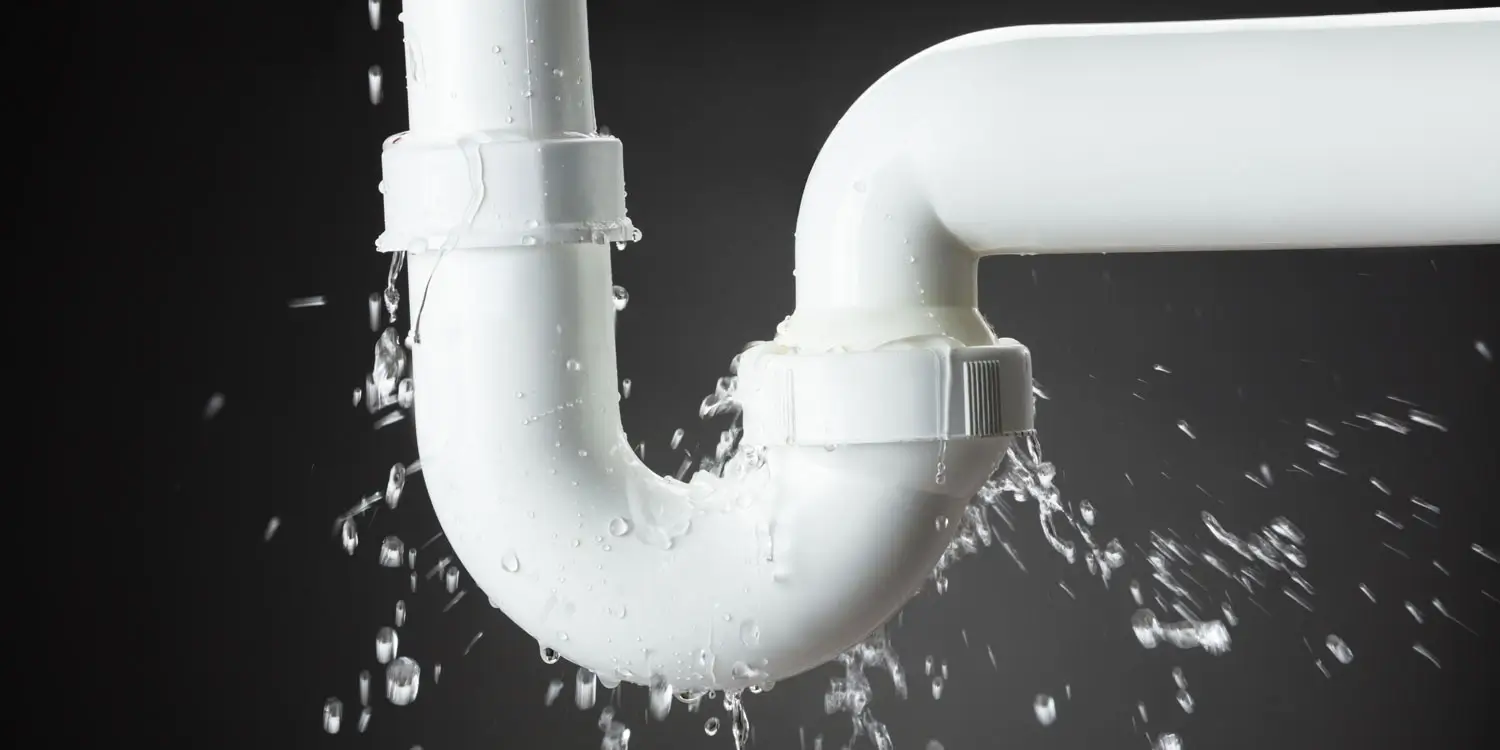
A leaking boiler is an emergency that requires immediate attention from a professional engineer.
If you discover that your boiler is leaking water, you might be tempted to temporarily place a bucket underneath it. However, it’s crucial to recognise that a boiler leak requires the expertise of a Gas Safe registered engineer as soon as possible, as it could present a serious risk depending on the cause.
It’s important to distinguish between a leaking boiler and a leaking radiator or pipe. While the latter should be addressed, it’s not considered an emergency.
Additionally, while most boiler leaks are water-related, it’s essential to remember that boilers can leak both water and gas.
If you smell gas or suspect a gas leak, you should immediately contact the National Gas Emergency Service at 0800 111 999, available 24/7.
If your boiler pressure keeps dropping or if your central heating system isn’t working properly, it could indicate a boiler leak. It’s essential to know what requires immediate attention from an engineer and what can be handled temporarily.
In this article, we’ll explore why a leaking boiler is considered an emergency and what you can do to avoid being without heating and hot water for too long.
Why Are Boiler Leaks Dangerous?
Over time, or due to installation issues, a boiler can develop significant faults that cause a leak. While a slight drip might seem harmless, a major leak can pose serious risks and needs immediate professional care.
Fortunately, a leaking boiler is often easy to spot early, meaning an internal leak might not have enough time to cause damage to other components, like electrical issues or corrosion.
Here are some of the main reasons why a boiler leak is considered dangerous:
Boiler Leaks Can Be a Health Hazard
If your boiler leaks water over a prolonged period, it can lead to the growth of fungi or mould. These can release spores into the air, which are harmful to human health.
Mould and fungi thrive in damp conditions and can cause various health issues, ranging from mild symptoms like coughing to more serious concerns like asthma or breathing difficulties.
Damage to Your Home’s Structure
Leaving water leaks untreated can result in significant damage to your property. Water can stain walls and floors, warp wooden beams, and damage structural supports. In cold climates, repeated water expansion and contraction can cause additional harm to wooden supports.
If the leak isn’t fixed promptly, parts of your home could become structurally compromised.
Should I Use My Boiler if It’s Leaking?
If you notice your boiler is leaking, it’s best to turn off the water supply and central heating system immediately. Place a bucket under the leak and clean up any water spills.
If you suspect a gas leak, turn off the gas supply at the isolation valve on your gas meter.
If you smell gas or suspect a gas leak from your boiler, contact the National Gas Emergency Service immediately at 0800 111 999 (available 24/7).
After taking these steps, contact a Gas Safe engineer right away to inspect your boiler.
Common Causes of Boiler Water Leaks
Boilers typically start leaking water due to age, but there are several other possible causes:
Corroded or Poorly Installed Pipework
The pipes under the boiler are often the culprit in leaks. Over time, water and debris in the system can corrode the copper pipes, creating small holes where water leaks out. If your boiler is new, poor installation could be the cause.
Corrosion in the System
If only one pipe is corroded, a Gas Safe engineer can replace it fairly easily.
Pressure Relief Valve
Leaks from the pressure relief valve (often a small copper pipe outside the property) usually indicate that the pressure in the boiler is too high. The pressure relief valve prevents the system from becoming over-pressurized, so if it’s leaking, the cause needs to be investigated by a qualified engineer.
Loose Joints and Damaged Seals
Boilers naturally experience wear and tear over time, leading to loose joints and damaged seals. These can cause water leaks and should be examined by a professional to prevent further issues.
What Should I Do if My Boiler is Leaking Water?
If you notice water dripping from any part of your boiler, your first step should be to contact a qualified professional to assess the severity of the issue. In the meantime, here’s what you can do:
- Turn off the water supply and heating system.
- Clean up any water after turning off the electrical components.
- Wait for the heating engineer to arrive.
How Can I Prevent My Boiler from Leaking Again?
To prevent future leaks, it’s essential to maintain your boiler regularly. You should also schedule an annual service, which often includes a thorough inspection. This can help spot any potential issues before they turn into bigger problems.
Here are some preventive measures to consider:
- Annual Servicing: Regular boiler servicing ensures that any potential leaks or faults are detected early.
- Chemical Flush: A chemical flush can prevent debris and limescale buildup in the system, reducing the likelihood of leaks.
- Magnetic Filter: A magnetic filter captures debris and helps maintain the boiler’s efficiency.
How to Fix a Leaking Boiler
It’s crucial to always call a Gas Safe engineer if your boiler is leaking. Never attempt to fix the issue yourself.
If the leak is coming from a radiator, it might be due to a loose joint. In such cases, you can try tightening the joint if you feel comfortable doing so, but it’s always best to let professionals handle the repairs to avoid causing further damage.