
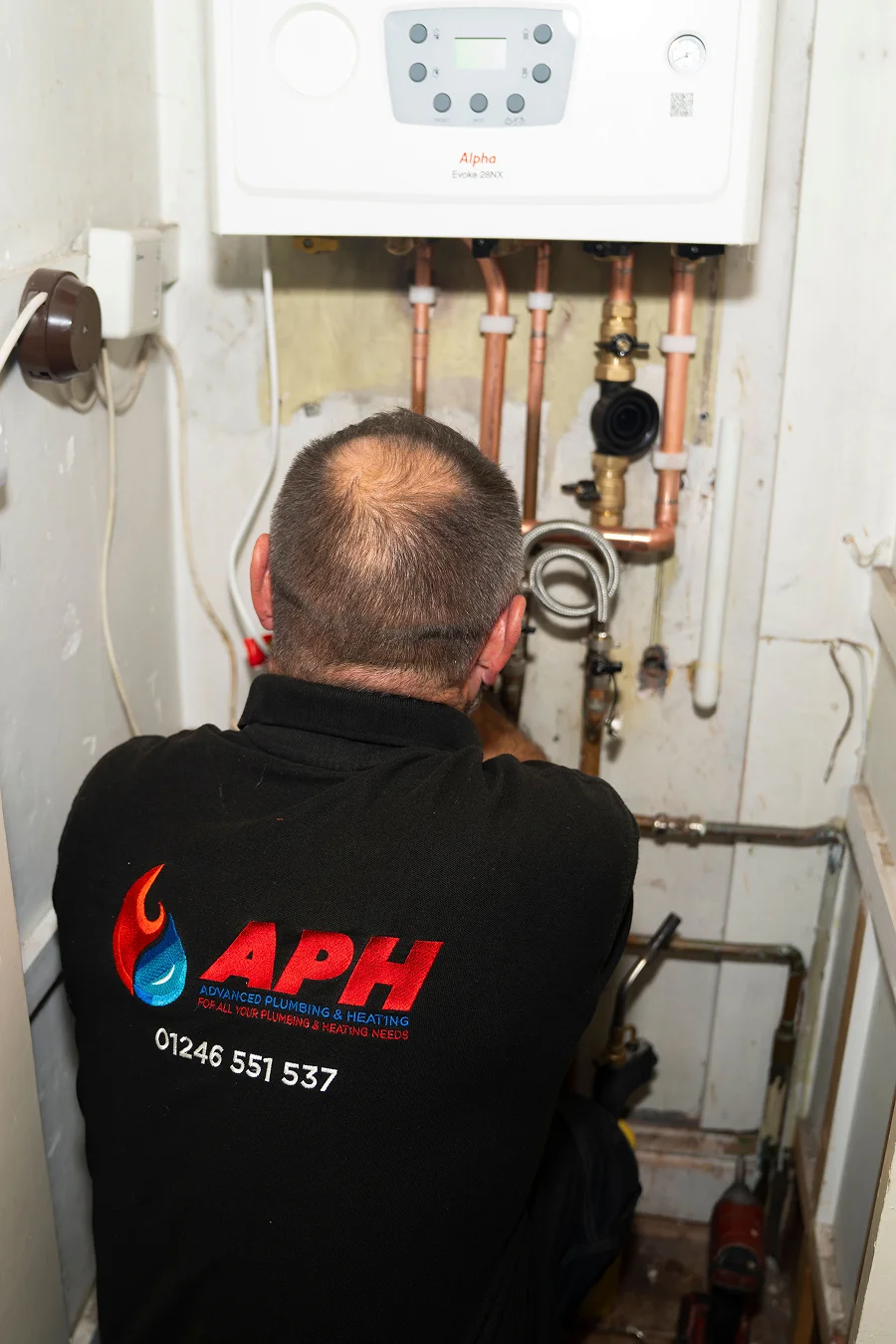
When homeowners compare boiler prices, the appliance itself often receives most of the attention. Yet the boiler is only one part of the project. Flue arrangements, condensate drainage, pipework alterations, electrical connections and finishing work can all influence the final amount paid.
This is why two apparently similar boiler replacements can have different prices. Understanding what sits behind the headline figure makes it easier to compare quotations and identify what is genuinely included.
For anyone researching new boiler cost chesterfield homeowners may encounter a wide range of figures. The most useful question is not simply “How much is the boiler?” but “What work is included in the complete installation?”
What can add to the cost of a boiler installation?
The final price can be affected by the condition and layout of the existing heating system as well as the boiler selected.
Common factors include:
- Boiler model and output
- Flue length and configuration
- Condensate pipe routing
- Gas pipe alterations
- Heating and water pipework changes
- New controls or thermostats
- Removal of the old appliance
- Access to the installation location
- Additional safety or compliance work
- Making good after installation
Some properties require very little alteration, while others need more extensive preparation before the new boiler can be commissioned.
If you are comparing quotations, ask for a clear explanation of the installation work. APH can assess the existing arrangement and provide guidance based on the requirements of the property.
Why is the boiler price not always the final installation price?
A boiler displayed at a particular price does not necessarily represent the total cost of replacing a heating system.
For example, a straightforward replacement in the same position may allow existing connections to be adapted with relatively little disruption. Moving the boiler to another room could involve additional pipework, a different flue route, new drainage and changes to electrical connections.
This is why boiler installation costs should be considered as a complete package rather than judged from the appliance price alone.
A detailed survey can reveal these requirements before installation begins, reducing the chance of unexpected additions later.
Do flues affect the overall installation price?
They can. The flue is an essential part of a gas boiler installation, and its route depends on the boiler location and the property’s layout.
A standard flue arrangement may be relatively straightforward. However, a longer or more complex approved configuration can require additional components and installation time.
The position of nearby windows, doors and other openings can also affect where the flue terminal can be located. The installer must follow the relevant requirements and the boiler manufacturer’s instructions.
A quotation should therefore make it clear whether the required flue arrangement is included.
What about condensate drainage?
Modern condensing boilers produce condensate during operation. This needs to be discharged through an appropriate drainage arrangement.
If a suitable drain is close to the proposed boiler position, the work may be simple. If not, the installer may need to create a longer route or consider an alternative approved arrangement.
External pipework may also need additional attention because exposed condensate pipes can be vulnerable to freezing during cold weather.
These details can affect both labour and materials, which is another reason that new boiler cost estimates can vary between properties.
Can old pipework increase the price?
Existing pipework can sometimes be reused, but it should not automatically be assumed to be suitable.
Older systems may have:
- Deteriorated sections
- Inappropriate pipe sizes
- Awkwardly positioned connections
- Redundant pipework
- Corrosion or previous repair points
- Routes that do not suit the new boiler location
In some installations, only a short section needs changing. In others, more extensive alterations may be sensible.
The important point is that pipework requirements should be identified during the survey wherever possible.
What does “making good” actually mean?
Making good refers to finishing work needed after the installation has been completed.
For example, removing an old boiler or changing pipe routes can leave small areas requiring attention. Depending on the installation, this might include filling old fixing holes, tidying redundant pipe openings or repairing minor areas affected by the work.
Making good does not necessarily mean full redecoration or major building work. The scope should be clarified before the project starts.
When comparing boiler installation costs, ask whether basic making good is included or whether it will be charged separately.
Could moving the boiler increase the installation cost?
Yes. Relocating a boiler can involve considerably more work than replacing an existing appliance in the same position.
Moving it may require changes to:
- Gas pipework
- Heating flow and return pipes
- Hot and cold water connections
- Condensate drainage
- Flue position
- Electrical supply
- Controls and thermostat wiring
The new location may offer benefits, such as freeing cupboard space or improving access, but these advantages need to be weighed against the additional installation work.
A professional assessment can help determine whether relocation provides worthwhile long-term benefits.
How can homeowners compare quotations fairly?
The cheapest quotation is not automatically the best value. A lower headline price may reflect a narrower scope of work rather than a more efficient installation.
When comparing quotations, check whether each one covers the same basic elements.
| Cost area | What to check |
| Boiler | Make, model and output |
| Flue | Configuration and required components |
| Condensate | Drainage route and alterations |
| Pipework | Included modifications |
| Controls | Thermostat or other controls |
| Removal | Disposal of existing boiler |
| Labour | Installation and commissioning |
| Making good | What finishing work is covered |
| Certification | Required documentation and checks |
A quotation that clearly explains these areas is much easier to assess.
If two quotes look very different, contact the APH team before making a decision. We can help explain which installation details may be influencing the overall figure.
Is the cheapest boiler installation always the best option?
Not necessarily. A very low quotation may be legitimate, but it is important to understand exactly what is included.
Installation quality matters because the heating system will need to operate safely and reliably after the installer has left. Cutting corners on necessary pipework, drainage or finishing work can create problems later.
The better approach is to compare like for like, looking at the complete scope rather than focusing on a single headline number.
A typical Chesterfield example
Consider a homeowner replacing an older boiler in a semi-detached house. The new boiler is suitable for the property, but the existing condensate arrangement is not ideal, and some pipework needs to be altered.
The installation also requires a revised flue position because the replacement boiler has different connection requirements. Once the old appliance is removed, a small section of wall requires making good.
None of these tasks necessarily represents a major complication. However, together they explain why the final project price can be higher than the cost of the boiler alone.
This is exactly why a property-specific assessment is more useful than relying on a generic online figure when researching new boiler costs Chesterfield homeowners may expect to pay.
What should be included in a clear quotation?
A useful quotation should provide enough information for the homeowner to understand what they are paying for.
Ideally, it should identify:
- The proposed boiler.
- The installation location.
- Flue requirements.
- Condensate arrangements.
- Pipework alterations.
- Controls being installed.
- Removal and disposal of the existing boiler.
- Commissioning and relevant certification.
- Any exclusions or additional work that may be required.
The more clearly these points are explained, the easier it becomes to make an informed decision.
Frequently Asked Questions
Does the boiler price include installation?
Not always. Some advertised prices relate only to the appliance, while others include a standard installation package. Always check what the quotation covers.
Why do boiler installation costs vary between homes?
Property layout, boiler location, flue requirements, drainage, pipework condition and access can all affect the amount of work required.
Does moving a boiler make it more expensive?
It can. Relocation may require new pipe routes, a different flue position, revised condensate drainage and changes to controls or electrical connections.
Is making good included with a new boiler?
It depends on the installer and quotation. Ask specifically what finishing work is included before approving the installation.
Can the existing flue be reused?
A replacement boiler may require a compatible flue arrangement. The installer should assess the existing configuration rather than assuming it can be retained.
Get a Boiler Quote Based on Your Property
The true cost of a new boiler is shaped by much more than the appliance itself. Flues, drainage, pipework, access and making good can all influence the final project price.
Taking time to understand these elements helps homeowners compare quotations more confidently and reduces the likelihood of surprises once work begins.
If you are planning a replacement and want a clearer picture of the work involved, speak to APH. Our team can assess your property, explain the installation requirements and provide a bespoke quotation based on the actual project.