
It’s common for homeowners or tenants to experience a drop in boiler pressure at some point. While checking the pressure gauge on your boiler can help identify the issue, it doesn’t explain what’s causing the pressure to drop.
This guide will walk you through the most common causes of dropping boiler pressure, helping you find the right tools and solutions to resolve the problem.
What Are the Signs That Your Boiler Pressure Is Low?
Boiler pressure is something you can check yourself, but many people only notice an issue when there’s a problem with their central heating or hot water. If you notice any of these signs, it’s time to check your boiler pressure:
What Should Your Boiler Pressure Gauge Read?
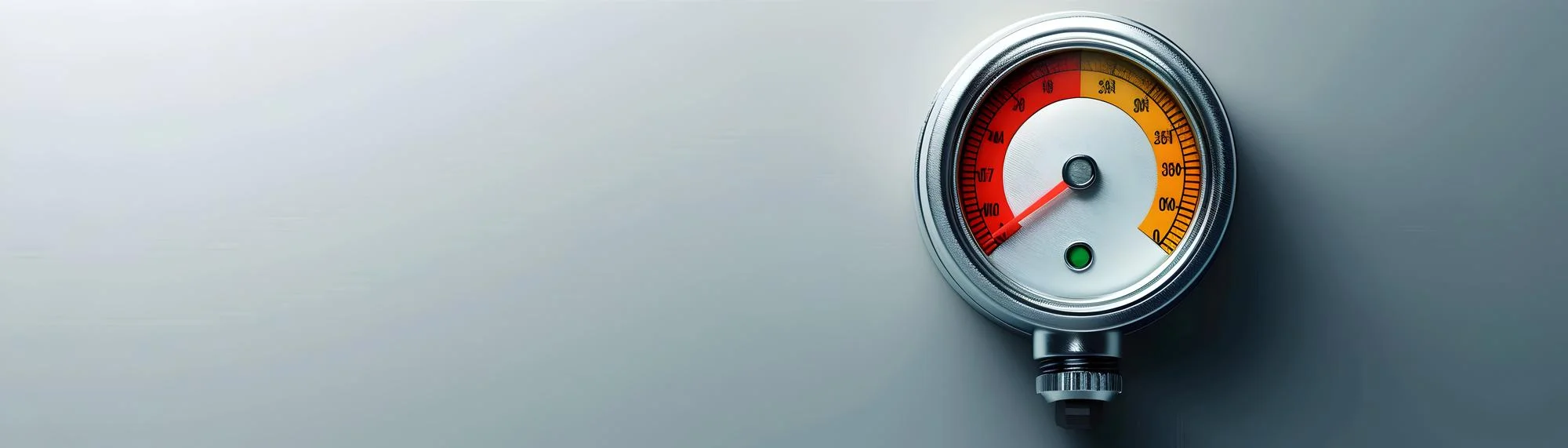
When your boiler is off and cool, the pressure should be between 1 to 1.5 bars. Once the boiler is on, the pressure may rise slightly but should still be between 1 to 2 bars.
If you’re unsure about the pressure reading, make sure the needle is in the green zone.
How Can You Check If Your Boiler Pressure Is Low?
If you’ve noticed an issue, checking the pressure gauge can confirm if low pressure is the cause. Here’s how to check:
Some modern boilers may have a digital display rather than a clock-like pressure gauge. If you’re unsure, refer to your user manual to confirm how to check the pressure.
Is It Normal for Boiler Pressure to Drop?
A slight drop in pressure over time is normal and can usually be fixed by repressurising the system. However, if the pressure drops rapidly or repeatedly after repressurising, there’s likely an underlying issue. In such cases, you should contact a Gas Safe engineer to resolve the problem.
Is It Dangerous for a Boiler to Lose Pressure?
While any problem with your boiler can raise concern, low pressure is generally not dangerous. It will stop your boiler from heating your home and water, but it won’t cause harm. If the pressure drops too low, the boiler may turn off and display an error code, which can help identify the issue and guide you on the next steps.
What Causes Boiler Pressure to Drop?
There are several reasons why your boiler pressure may keep dropping. Here are the most common causes:
1. Recent Radiator Bleeding
If you’ve recently bled your radiators, this could be why your boiler pressure has dropped. When air is released from the central heating system, the pressure decreases. After bleeding the radiators, check the pressure gauge and top up the pressure if necessary.
2. A Leak in the Central Heating System
A leak in the central heating system is a common cause of pressure loss. Finding the leak can be tricky since it could be anywhere in the system. If the leak isn’t located and fixed, the pressure will continue to drop.
How to Find a Leak in Your Central Heating System
Leaks often occur at the most vulnerable points, such as joints and fixtures. Pipes connected to radiators are particularly prone to leaks. If you see or feel water accumulating around a joint or fixture, this may indicate a leak.
Signs of a leak around radiators and pipes include:
If you suspect a leak, you can place a bowl under the joint or fixture to check for water pooling.
Leaks could also be inside walls, under floors, or within the boiler itself.
How to Fix a Central Heating System Leak
If you discover a leak, it’s important not to attempt repairs yourself. Call a Gas Safe engineer who can address the issue quickly and safely. In the meantime, you can minimize damage by laying down towels and placing bowls to catch any water.
For assistance with your boiler pressure, contact Advanced Plumbing and Heating to identify the cause and ensure the issue is resolved properly.
3. A Leak in Your Boiler
If you haven’t found any leaks in your radiators or pipes, it’s important to know that a drop in pressure can sometimes result from a leak within the boiler unit itself.
Over time, components inside the boiler can corrode or loosen, leading to internal leaks that cause the pressure to drop.
A common reason for boiler leaks is a malfunctioning pressure reducing valve (PRV), which can result in water pooling outside your boiler where the PRV connects.
Other potential causes of boiler leaks include:
How to Identify a Boiler Leak
The clearest sign of a leak inside the boiler is water dripping from it or pooling around the unit.
If you notice this, the first step is to turn off the boiler to prevent further damage or the risk of a short circuit.
While you’ll need to open the boiler to locate the leak, this should only be done by a professional. Contact Advanced Plumbing and Heating and arrange for a Gas Safe engineer to inspect and repair the leak.
How to Repressurise Your Boiler
Repressurising your boiler is a simple process and can restore your boiler’s functionality. While you don’t need a professional for this, it’s a good idea to consult your boiler’s manual or check the manufacturer’s website before starting.
Here’s a step-by-step guide to repressurising your boiler:
- Turn Off and Cool the Boiler
Ensure the boiler is switched off and has cooled down to avoid burns or other safety issues. Repressurising a cold system provides the most accurate pressure reading. - Locate the Filling Loop
The filling loop is the hose connecting your boiler to the cold water supply. Its exact location will vary depending on the brand and model of your boiler, so consult the manual or the manufacturer’s website for guidance. - Increase the Boiler Pressure
Slowly open the taps on the filling loop to let cold water into the system. Be sure to do this gradually to avoid over-pressurising. Keep filling until the pressure gauge reaches between 1 and 1.5 bars, which is typically in the green zone. - Close the Taps
Once the pressure is in the ideal range, close both taps securely. You can now turn your boiler back on. Some boilers may require you to press a reset button to get it started again. - Monitor the Pressure
Keep an eye on the pressure gauge over the next few days to ensure it doesn’t drop again.
What to Do If Your Boiler Keeps Losing Pressure After Repressurising
If the boiler continues to lose pressure after you’ve repressurised it, there’s likely a more serious underlying issue. In such cases, reach out to Advanced Plumbing and Heating and have a Gas Safe engineer diagnose and resolve the problem.