
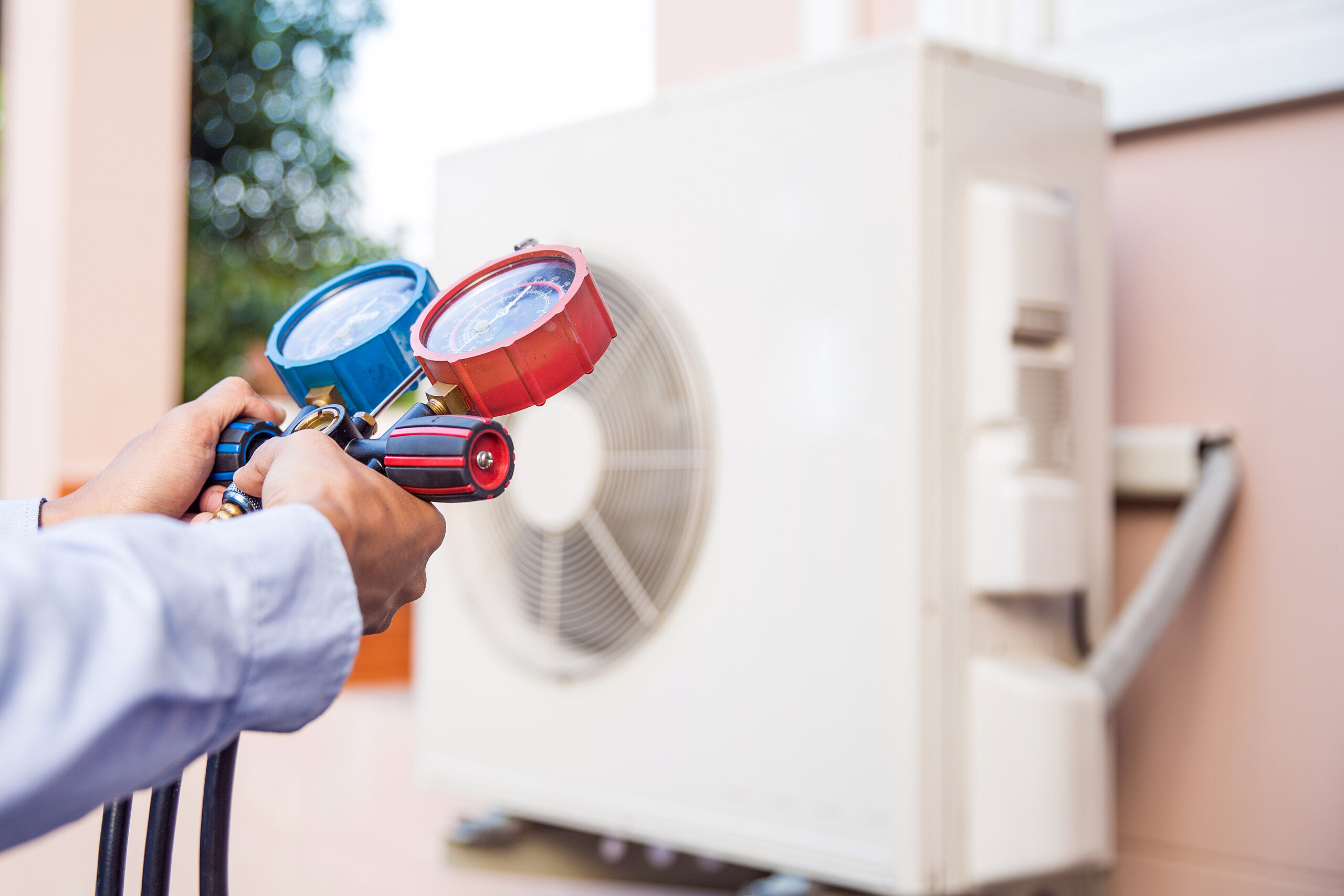
Your air conditioning system is made up of several key components, all of which work together to ensure the system operates as efficiently and effectively as possible. One of the most crucial elements for the smooth functioning of your system is refrigerant. Simply put, refrigerant is responsible for creating the cool air that circulates through your home via your air conditioner. Without it, your system wouldn’t work.
What exactly is air conditioner refrigerant? How can you detect a refrigerant leak? In this guide, we’ll explain why refrigerant is so important in your home air conditioning system, how to check refrigerant levels, and what to do if you suspect a refrigerant leak.
Air Conditioner Refrigerant: Why It Matters
Refrigerant used in air conditioning systems is typically found in either gas or liquid form. It plays a vital role in cooling your system, as it absorbs heat from the environment and helps convert it into cool air when combined with the other components of your air conditioner.
What Type of Refrigerant is Used in Air Conditioning Systems?
There are several different refrigerants used in various refrigeration products, but in air conditioning systems, two main types are commonly used: R-22, also known as Freon, and R410A, known as Puron. Puron is considered more environmentally friendly than Freon, making it the preferred choice for newer AC systems.
The type of refrigerant in your air conditioning system will depend on the age of the system. Manufacturers have been working toward replacing Freon with Puron by 2020, as Puron is less harmful to the environment while providing the same effective cooling properties. However, Puron is not compatible with older systems designed to run on Freon, which means eventually, you may need to replace your old system.
Freon has been the primary refrigerant in central air conditioning systems for years, but its harmful environmental impact led to a ban on its manufacture.
What Are the Benefits of Using R410A (Puron)?
Switching to Puron refrigerant offers several benefits, including:
- Greater Efficiency: Using Puron refrigerant in modern systems significantly boosts efficiency. Unfortunately, older air conditioning systems will need to be replaced, as they cannot support this refrigerant.
- Cost-Effectiveness: The production of R410A is cheaper than R22, making it more cost-effective for both manufacturers and homeowners.
- Environmentally Friendly: R410A is far less damaging to the atmosphere compared to Freon, making it a more environmentally responsible option. While it still contains some harmful chemicals, it has much lower environmental impact than Freon.
How Does Air Conditioner Refrigerant Work?
Air conditioner refrigerant is a key component located inside the system’s copper coils. The refrigerant circulates through the system, shifting from a low-pressure gas to a high-pressure liquid. As it travels, it absorbs heat and releases it, helping to bring cool air into the rooms of your home.
Once the refrigerant reaches the outdoor unit, it releases heat through condensation, which cools it down. When it enters the indoor unit, it evaporates as it comes into contact with the warmer indoor air. This cycle repeats continuously, delivering a steady flow of cool air into the rooms via fans and vents.
The refrigerant cycle is continuous, and the refrigerant levels should remain the same throughout the life of the system—unless there’s a leak.
How to Spot an Air Conditioner Refrigerant Leak
Refrigerant leaks, particularly those involving Freon, can be harmful to the environment and pose a risk to those in the household. Here are a few signs that may indicate a refrigerant leak:
- Warm Air and Low Airflow: Is your air conditioner blowing warm air instead of cool air? Or is the airflow weak? This could be a sign of low refrigerant levels or a refrigerant leak.
- Higher Electricity Bills: If you notice a spike in your electricity bill, it could be because your system is working harder to cool the space due to a refrigerant leak.
- Noisy AC System: If your AC is unusually noisy with bubbling or gurgling sounds, it might indicate a refrigerant leak or other system malfunction.
- Refrigerant Poisoning: If anyone in your home experiences dizziness, nausea, or difficulty breathing, this could be a sign of refrigerant exposure. In this case, seek immediate medical attention.
What to Do if You Spot a Refrigerant Leak
If you suspect a refrigerant leak, it’s important to address the issue immediately. Get in touch with a qualified technician from Advanced Plumbing and Heating to inspect your system. If your system uses Freon, it’s even more critical to consult an expert, as exposure to Freon can be hazardous.
Choose the Right Air Conditioner Refrigerant for Your System
Refrigerant is essential for the operation of your air conditioning system. Choosing the right type ensures that your system runs efficiently, keeping your home cool and comfortable while being cost-effective and environmentally responsible.
For more information about your air conditioning system or if you suspect a refrigerant leak, get in touch with Advanced Plumbing and Heating at 01246 551 537. Our engineers are ready to assist you with expert advice and solutions.